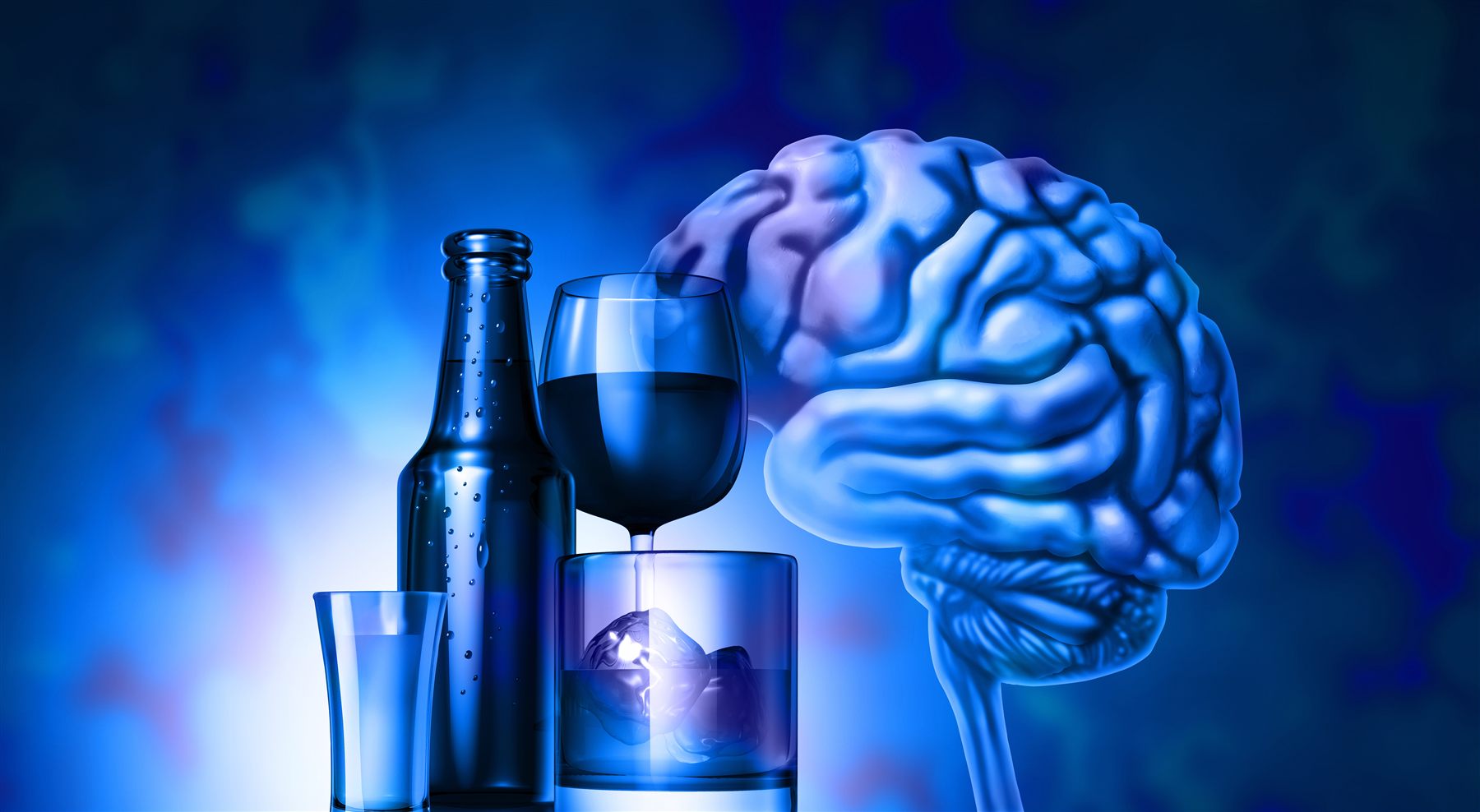
What affects BAC absorption and elimination?
Absorption controls how quickly alcohol enters the bloodstream. Elimination controls how quickly alcohol is metabolized after absorption. Both phases matter when comparing driving time, drinking time, and test time.
Absorption Begins Before The Last Drink Ends
Alcohol absorption begins after drinking starts and occurs through the stomach and small intestine. The speed of absorption can vary with food, beverage concentration, drinking speed, and individual physiology. A later test result must be interpreted in light of where the person may have been on the absorption and elimination curve.
Distribution And Body Water
Ethanol is water soluble and distributes through body water. Body weight and distribution assumptions matter because the same amount of ethanol can produce different estimated BAC values in different people. BAC simulation should make those assumptions visible instead of hiding them behind a single number.

Metabolism And Elimination
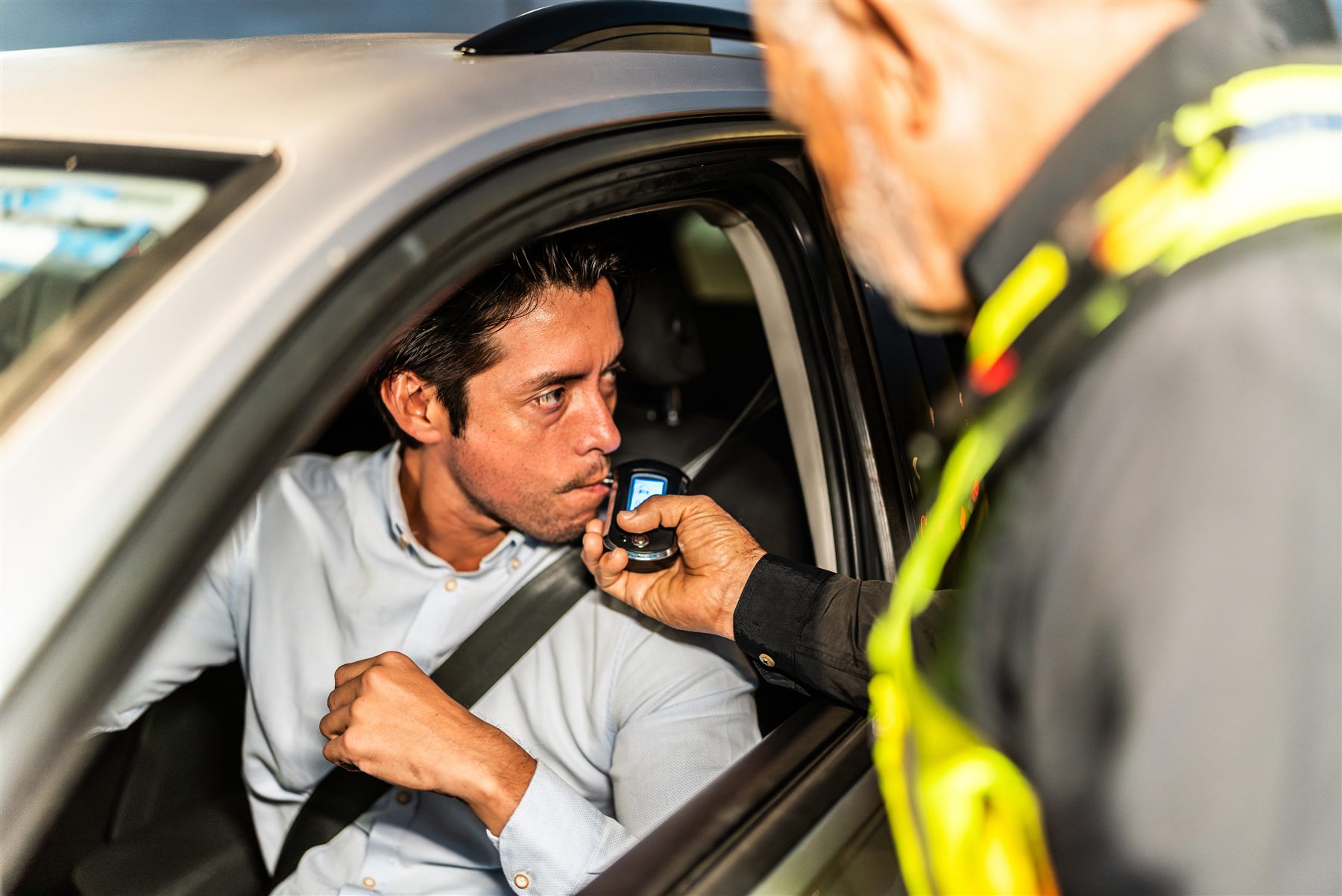
After absorption, alcohol concentration generally declines as ethanol is metabolized, primarily in the liver. Professional review often considers an elimination-rate range because rates vary across individuals and circumstances. The selected range can strongly affect retrograde extrapolation and keypoint BAC estimates.
Interactive Widmark Illustration
This simplified example shows how body weight, biological sex-linked distribution assumptions, and drink count can affect an estimated peak BAC before metabolism is considered.
Approximate peak BAC before metabolism: 0.09%
This illustration uses a simplified Widmark-style estimate and does not include drinking duration, absorption timing, food, individual metabolism, specimen type, or measurement uncertainty.
Frequently Asked Questions
What is alcohol absorption?
Alcohol absorption is the movement of ethanol from the digestive tract into the bloodstream, where it can raise BAC.
What is alcohol elimination?
Alcohol elimination is the metabolic process that lowers BAC over time after alcohol has entered the bloodstream.
Why does food matter?
Food can slow stomach emptying and delay absorption, which may lower or delay the peak BAC under some circumstances.
Can DUI Professional determine a person's exact BAC?
No. It models scenarios from stated assumptions and supports professional review rather than producing a single exact result.
Build a BAC timeline with visible assumptions
Use DUI Professional to compare drinking-pattern assumptions, absorption timing, elimination ranges, and key case times.
Sources
These references support the scientific and forensic context discussed on this page.
- ANSI/ASB Best Practice Recommendation 122, First Edition 2024 Current forensic alcohol calculation guidance for assumption-based alcohol calculations, reporting, specimen considerations, and limitations.
- NIAAA, Alcohol Metabolism Ethanol metabolism, ADH and ALDH pathways, and individual variation in alcohol processing.
- NIAAA, Understanding Alcohol Drinking Patterns Standard drink and drinking-pattern context for alcohol education.